

The fully automatic packaging machine can perform large-scale automated packaging.
Release Date:
2021-10-16
Fully Automatic Packaging Machine
Fully automatic packaging machines in the domestic market mainly include three types: bag-making, bag-feeding, and can-feeding. Here is an analysis of the differences and features of these three types of packaging machines. The bag-making fully automatic packaging machine generally consists of a bag-making machine and a weighing machine. The weighing machine can be either a weighing type or a screw type, capable of packaging granular and powder materials. This machine directly forms bags from packaging film and completes metering, filling, coding, cutting, and other actions during the bag-making process. The packaging materials are generally plastic composite film, aluminum-platinum composite film, paper bag composite film, etc. Its features include a high degree of automation, high price, good appearance, and good anti-counterfeiting properties. It is suitable for small specifications and large-scale automated packaging of products such as laundry detergent, seasonings, and puffed foods. The drawback is that changing packaging specifications is not very convenient. The bag-feeding fully automatic packaging machine generally consists of a bag-feeding machine and a weighing machine. The weighing machine can be either weighing type or screw type, capable of packaging granular and powder materials. The working principle of this machine is to use a mechanical arm to pick up, open, fit, and seal pre-made bags, while completing filling, coding, and other functions under the coordinated control of a microcomputer, thus achieving automated packaging of pre-made bags.
Its feature is that the mechanical arm replaces manual bag fitting, effectively reducing bacterial contamination in the packaging process and improving the level of automation. It is suitable for small specifications and large-scale automated packaging of products such as food and seasonings. The drawback is that pre-made bags must be free of static electricity; otherwise, double bags may be picked up, and bag opening may be inaccurate. Changing packaging specifications for this machine is also not very convenient. The can-feeding fully automatic packaging machine is mainly used for automated canning of cup-shaped containers such as tin cans and paper cans. The whole machine generally consists of a can feeding machine, a weighing machine, and a capping machine. 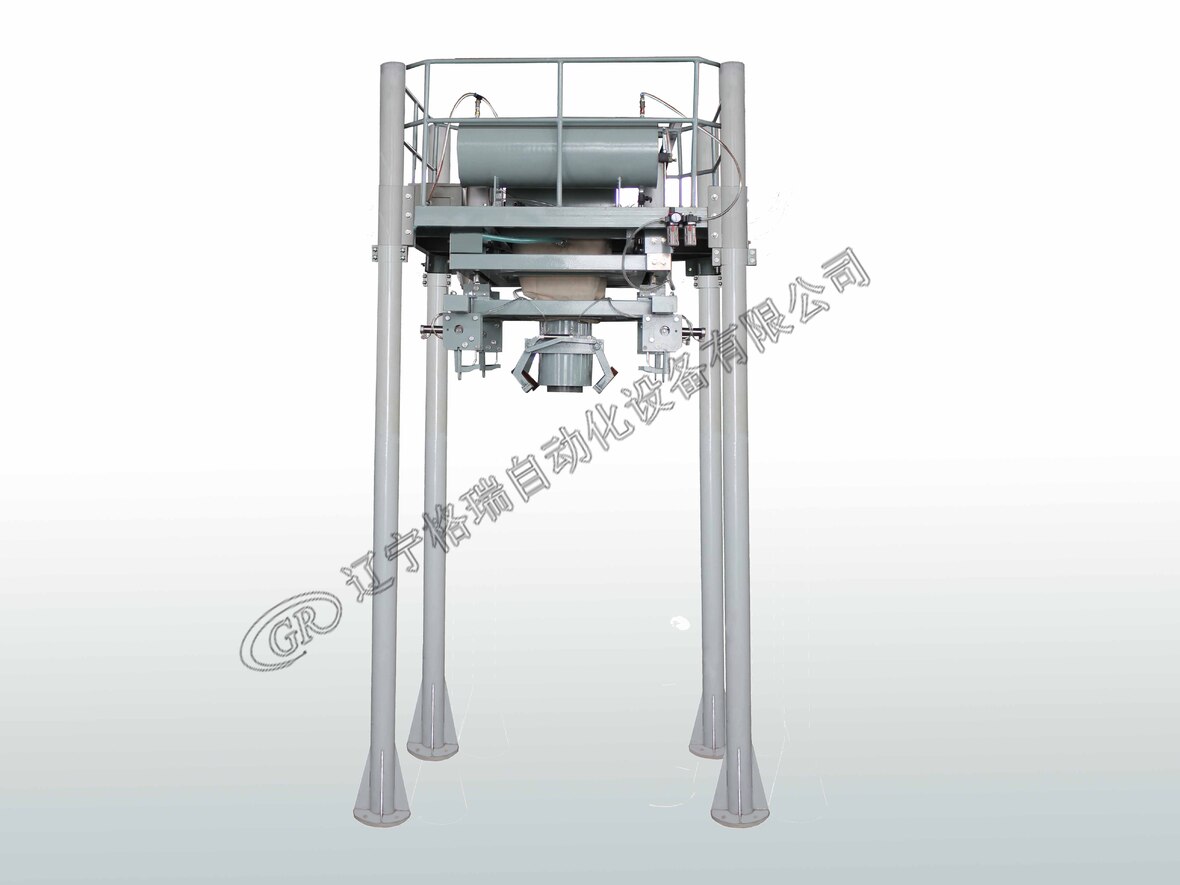
The can feeding machine generally adopts an intermittent rotary mechanism, sending a discharge signal to the weighing machine once per rotation to complete one quantitative canning. The weighing machine can be either weighing type or screw type, capable of packaging granular and powder materials. The capping machine is connected to the can feeding machine via a conveyor belt; essentially, the two operate as linked single machines with independent operations. This machine is mainly used for automated packaging of products such as chicken essence, chicken powder, malt extract, and milk powder. Its features include a high degree of automation, fewer contamination steps, high price, high efficiency, and good appearance. The drawback is that changing specifications is not very convenient. In addition, there are sealing and shrinking devices, filling and capping machines, counting machines, labeling machines, and special packaging equipment such as mask machines and eye mask agents, all belonging to the field of packaging machines.
(All the above content is sourced from the internet. If there are any issues, please contact me for removal.)


Contact Information
Address: No. 3, Shendong 7th Road, Fushun Economic Development Zone
National Service Hotline:+86 24 58067728
General Office:+86 24 58067728
Sales Department:+86 15804137755
After-sales Service:+86 15004137328
Email:green@fsgreen.com