

The fully automatic packaging machine has the advantage of multiple functions in a single unit
Release Date:
2021-09-29
Packaging technology originated in the 1940s. Since the successful use of polyester and polyethylene plastic films for product packaging in the 1950s, vacuum packaging machines have developed rapidly. The technological development trends mainly focus on five aspects: high productivity, automation, multifunctional single machines, forming production lines, and adopting related new technologies. 1. High productivity. The productivity of vacuum packaging machines has increased from a few pieces per minute to tens of pieces, with thermoforming—filling—sealing machines reaching a productivity of over 500 pieces per minute. 2. Automation. Fully automatic vacuum packaging machines integrate vacuuming, sealing, printing, and cooling functions in one process, mainly used for packaging foods such as tea, peanuts, shrimp, and corn. 3. Multifunctional single machines. Achieving multiple functions on a single machine can conveniently expand the scope of use. To realize multifunctional single machines, modular design must be adopted, allowing different functional modules to be changed and combined to create various types of vacuum packaging machines suitable for different packaging materials, items, and requirements. 4. Forming production lines. When more functions are needed, concentrating all functions in one single machine makes the structure very complex and operation and maintenance inconvenient. At this time, several machines with different functions and matching power can be combined into a more complete production line. 5. Adopting related new technologies.
In packaging methods, many use gas-flushed packaging to replace vacuum packaging, closely integrating research on gas components, packaging materials, and gas-flushing packaging machines; in control technology, more use is made of computer technology and microelectronics; in sealing, heat pipe and cold sealing technologies are used, and advanced devices can be directly installed on vacuum packaging machines, such as computer-controlled high-precision combination scales for coarse materials; on rotary or vacuum packaging machines, advanced high-speed arc cam indexing mechanisms are used. Tracking systems control the packaging machine, adopting forward and reverse dual-direction tracking to further improve tracking accuracy. After the machine starts running, the film mark sensor continuously detects film marks (color marks), while the mechanical part's tracking micro-switch detects the mechanical position. These two signals are sent to the PLC, which processes them and controls the tracking motor's forward and reverse tracking via PLC outputs Y6 (forward tracking) and Y12 (reverse tracking), promptly detecting and compensating for errors in packaging materials during production, preventing material waste. If after the preset number of tracking attempts the technical requirements are still not met, the machine automatically stops for inspection to prevent defective products.
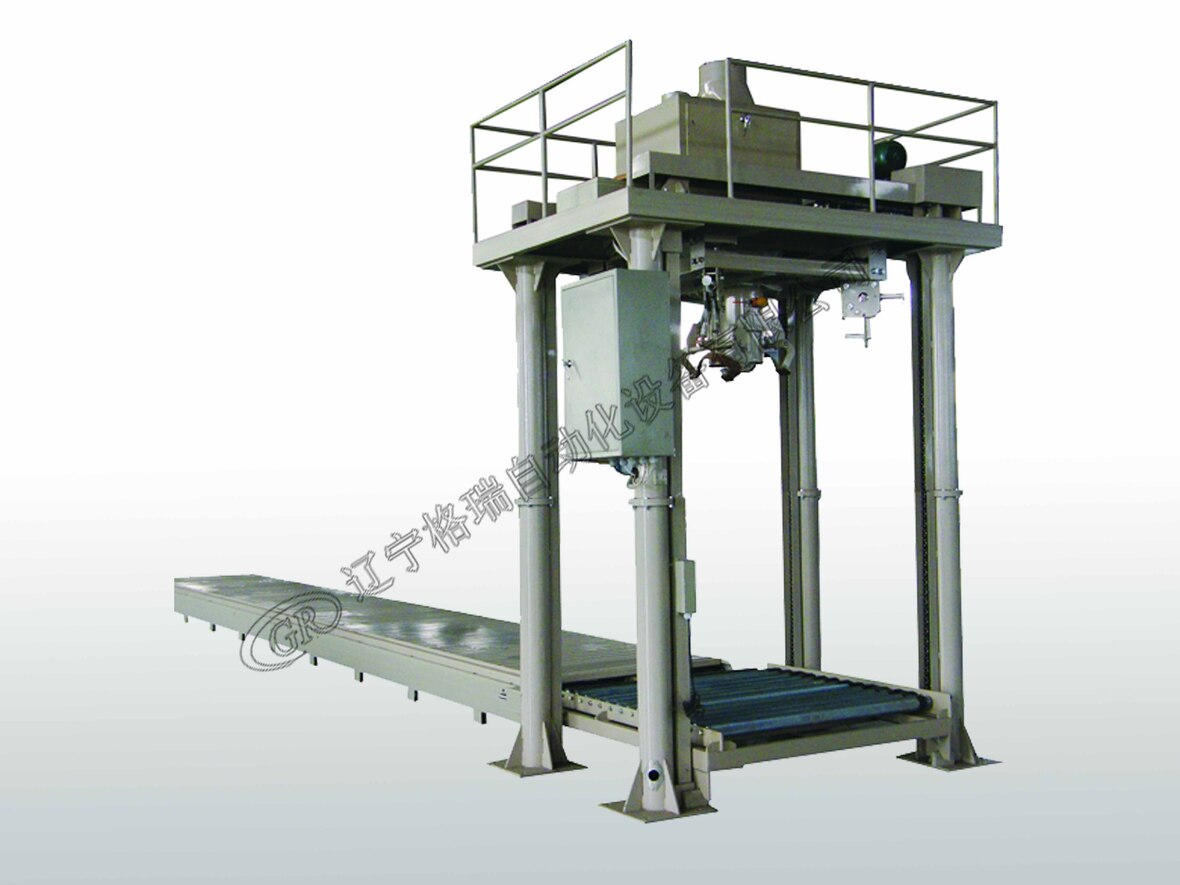
Because variable frequency speed regulation is adopted, chain transmission is greatly reduced, improving the machine's operational stability and reliability, and reducing operational noise. This ensures that the packaging machine has multiple functions such as low loss and automatic detection, achieving a high level of full automation technology. It has both a beautiful and fashionable appearance and a healthy and agile mind. Although the transmission system used in food packaging machines is relatively simple in function, it requires high dynamic performance, including fast dynamic response and high steady-speed accuracy. Therefore, it is necessary to consider the dynamic technical indicators of the frequency converter and select a high-performance frequency converter to meet the requirements.
(All the above content is sourced from the internet. If there are any issues, please contact me for removal)


Contact Information
Address: No. 3, Shendong 7th Road, Fushun Economic Development Zone
National Service Hotline:+86 24 58067728
General Office:+86 24 58067728
Sales Department:+86 15804137755
After-sales Service:+86 15004137328
Email:green@fsgreen.com